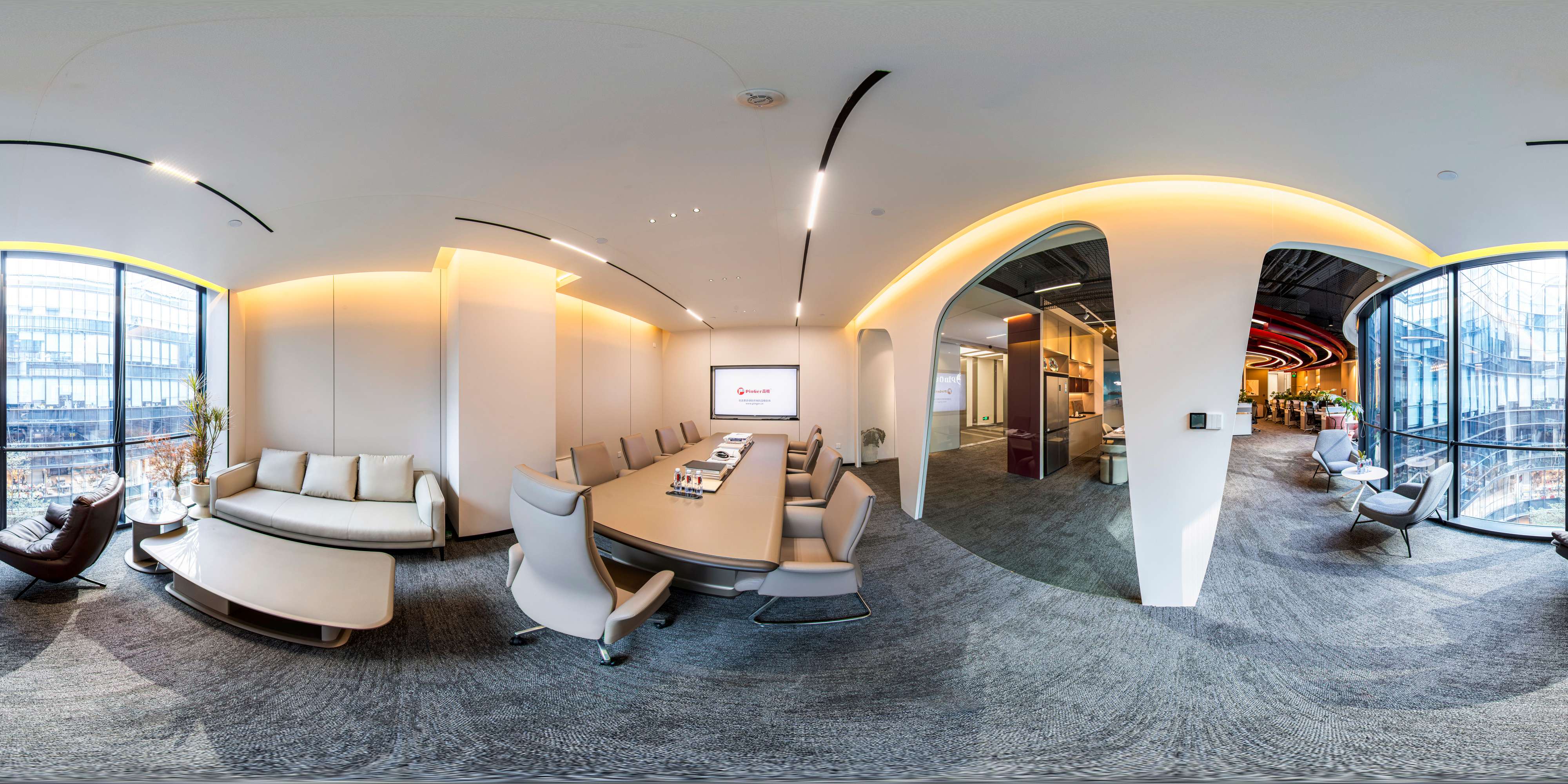
Airports and transit hubs operate under demanding conditions. Thousands of passengers may pass through the same corridors, waiting areas, boarding gates, and service zones every day. Luggage, cleaning carts, maintenance equipment, and mobility devices constantly move through these spaces, making wall surfaces vulnerable to scratches, dents, and impact damage.
For airport terminals, railway stations, metro stations, and other transportation facilities, heavy-duty wall protection is more than a decorative finishing detail. It helps protect building interiors, reduce recurring maintenance, and maintain a clean, professional appearance in high-traffic public spaces.
So, what is the best wall protection for airports and transit hubs? A practical solution usually combines impact-resistant wall guards, corner guards, rigid wall protection panels, and suitable handrail systems. The right combination depends on passenger traffic, equipment movement, cleaning requirements, and the design of each area.
Unlike many commercial interiors, transportation facilities experience continuous movement throughout the day. Walls are exposed to repeated contact from rolling luggage, baggage carts, wheelchairs, cleaning machines, and service equipment.
Without suitable protection, common problems include:
Installing a suitable wall protection system helps address these problems by adding protective surfaces at the points most likely to experience impact. For facility managers, this can mean fewer visible repairs and a more consistent interior appearance over time.
There is no single product that protects every part of an airport. Different areas experience different types of contact, so it is usually more effective to combine several protection products.
Wall guards and crash rails are suitable for corridors and circulation areas where luggage, carts, and other equipment may repeatedly hit the wall. They create a protective barrier at the height where impact is most likely.
Corner guards protect exposed wall edges, especially around columns, elevator entrances, corridor intersections, and narrow passages. These locations are particularly vulnerable when carts and luggage turn through limited spaces.
Rigid wall protection panels cover larger wall surfaces and help reduce scratches, stains, and general wear. They are useful in passenger waiting areas, check-in zones, and other spaces where a continuous protective finish is preferred.
Handrails can provide additional support along designated passenger routes. Their design and installation should take account of accessibility requirements, structural support, and local building regulations.
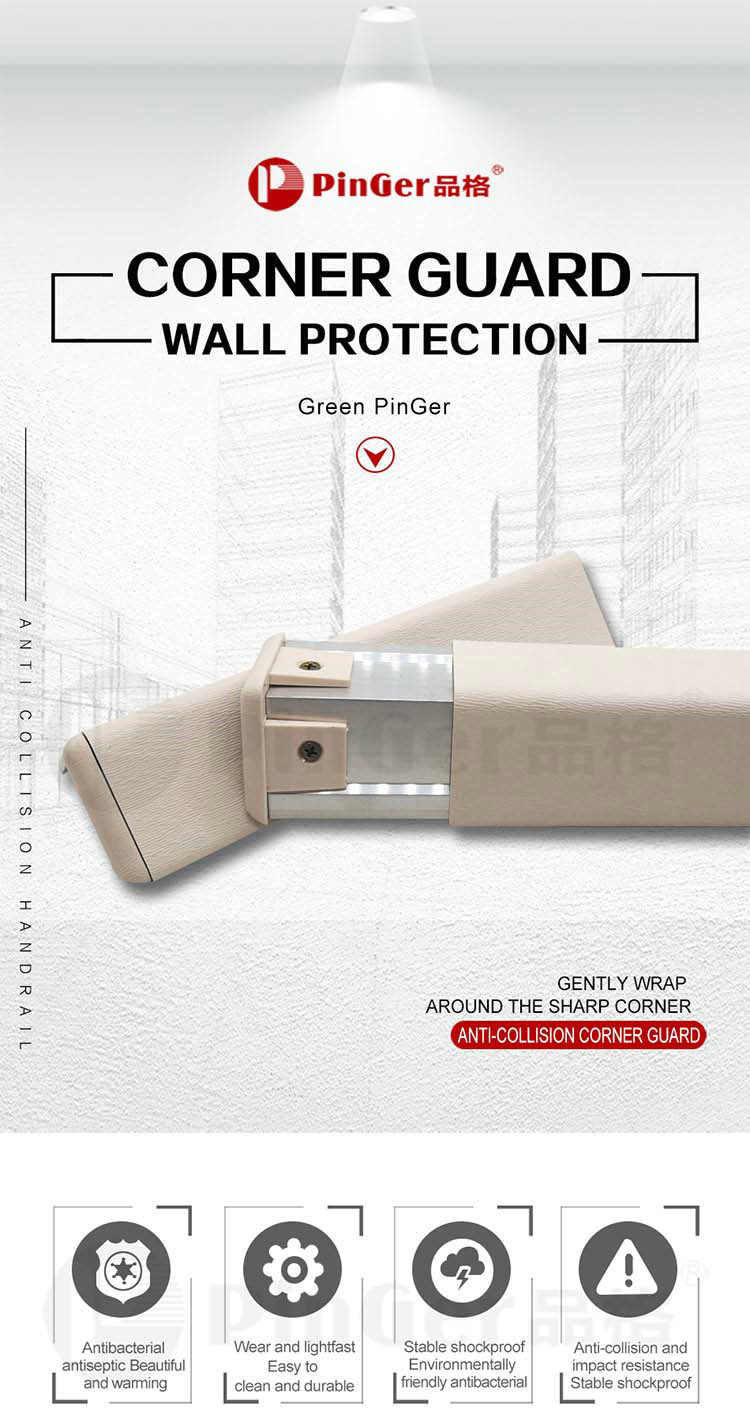
Pinger Panel offers several product categories for these applications, including wall guards and crash rails, corner guards, handrails, and wall panel systems.
Airport corridors connect check-in counters, security areas, boarding gates, baggage claim zones, and other important passenger facilities. These routes experience frequent contact from luggage, trolleys, and maintenance equipment.
Heavy-duty wall guards are designed to protect vulnerable wall sections from repeated impact. Pinger Panel's wall guard products use vinyl covers with aluminum retainers in selected configurations. The internal structure provides a protective barrier between moving equipment and the wall surface.
For example, Pinger Panel's WG76 model has a standard length of 5 meters, a standard width of 76mm, a 2mm vinyl cover, and a 2mm aluminum retainer. These specifications provide a concrete reference when evaluating wall guard systems for commercial interiors.
For wider coverage, other wall guard configurations are also available. The appropriate height and profile should be selected according to the expected impact area, equipment dimensions, and interior design requirements.
When planning a project, explore the Pinger Panel Wall Guards System to compare different heights and configurations.
Wall corners are among the most vulnerable points in airports and transit hubs. Baggage carts, cleaning equipment, and passenger luggage can strike exposed edges when moving through narrow corridors or turning around columns.
Corner guards provide localized protection without requiring the installation of full-height wall panels across every surface. They are particularly useful around:
A specific example is Pinger Panel's CG512W airport vinyl wall corner protector. Its listed specifications include:
The product is available in wood-color finishes, offering an option for projects that need corner protection without an overly industrial appearance.
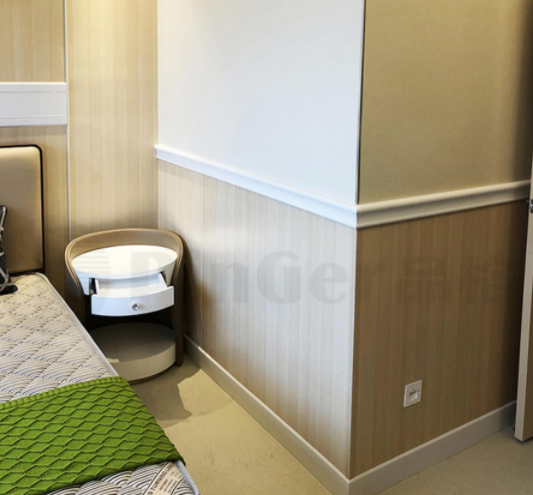
For more specifications, see Pinger Panel Airport Vinyl Wall Corner Protectors.
Wall guards and corner guards protect specific impact zones, but some airport areas need broader surface coverage. Check-in halls, waiting lounges, ticketing areas, and public corridors may benefit from rigid wall protection panels.
These panels create a protective layer over the existing wall surface. Depending on the selected material and finish, they can help resist everyday scratches, surface stains, and general wear while giving interior designers more control over the appearance of public spaces.
When choosing wall panels for a transportation project, consider:
Pinger Panel supplies different wall panel and wall covering solutions, including rigid sheet wall protection and decorative wall panels. Project teams can compare the available options based on the required coverage and finish.
One of the most important steps in specifying airport wall protection is understanding how each area is used. A baggage handling corridor has different requirements from a passenger lounge, while a security checkpoint may need protection around equipment and queue barriers.
| Airport or Transit Area | Common Risks | Recommended Protection |
|---|---|---|
| Passenger corridors | Luggage impact, trolley contact, frequent traffic | Wall guards, crash rails, rigid wall panels |
| Elevator entrances | Cart impact, corner damage, repeated turning movement | Corner guards and wall guards |
| Check-in and ticketing areas | Queue barriers, luggage contact, surface scratches | Rigid wall panels and localized wall guards |
| Baggage handling zones | Heavy equipment, carts, repeated impact | Heavy-duty wall guards and corner protection |
| Passenger waiting areas | Furniture contact, luggage movement, surface stains | Decorative wall panels and selected impact protection |
| Service corridors | Cleaning machines, maintenance carts, equipment movement | Wall guards, corner guards, and durable wall coverings |
| Accessible routes | Wheelchair contact and passenger support needs | Appropriately positioned wall guards and compliant handrails |
This area-based approach avoids unnecessary over-specification. Instead of installing the same product throughout an entire terminal, project teams can focus stronger protection on locations with the highest risk of impact.
For a transportation facility, appearance is only one part of the decision. Material performance, installation details, and long-term maintenance all affect the value of a wall protection system.
Impact resistance: Wall protection should be suitable for repeated contact from luggage, carts, and service equipment. Check the product's construction and available impact test documentation rather than relying only on general descriptions.
Wear and scratch resistance: Busy public spaces need surfaces that can maintain their appearance despite frequent contact. Surface texture and material composition can influence how visible everyday wear becomes.
Cleaning compatibility: Airport cleaning teams may use different cleaning agents and routines. Confirm chemical compatibility with the manufacturer before using disinfectants or stronger cleaning products.
Fire performance: Fire classification is an important specification for public buildings. Confirm that the exact product, thickness, and proposed installation meet the applicable local fire regulations. Do not assume that one product's test result applies to every product in a range.
Low-emission requirements: For enclosed public interiors, review available VOC and emissions documentation where required by the project specification.
Pinger Panel's product information includes technical testing references for selected wall protection products, covering areas such as impact resistance, fire performance, and surface-related properties. Buyers should request the latest product-specific reports and confirm their suitability for the destination market.
Airports are public-facing environments. Their interiors need to feel clean, organized, and welcoming, even in areas that require substantial physical protection.
Heavy-duty protection does not have to mean plain or unattractive surfaces. Color selection, wood-look finishes, and coordinated accessories can help protective products blend into the surrounding architecture.
For example, wood-color corner guards can complement wood-look wall panels, while solid-color wall guards can be coordinated with the airport's signage, flooring, or seating palette.
For projects that require a more customized appearance, Pinger Panel offers different colors and finishes across selected wall protection products. Design teams should review physical samples under the actual project lighting before finalizing the color schedule.
Even a durable wall protection product may underperform if the substrate is unsuitable or the installation is poorly planned. Airport renovation projects should consider installation conditions early, particularly when work needs to take place around passenger operations.
Before installation, project teams should:
Maintenance planning is equally important. Regular inspection can help identify loose fittings, damaged covers, or worn sections before they become larger repair issues. Cleaning procedures should follow the product manufacturer's recommendations and the facility's own maintenance requirements.
Pinger Panel provides wall protection products for a range of public and commercial environments, including aviation and transportation applications. Its product range covers several areas that may be specified together in an airport or transit hub project.
With products serving multiple building sectors and export experience in international markets, Pinger Panel can support project discussions involving product selection, dimensions, finishes, and application requirements.
For airport developers, architects, contractors, and distributors, the best starting point is to share the project drawings, target application areas, required protection heights, and relevant technical standards. This makes it easier to evaluate suitable product combinations and request project-specific specifications.
Explore the impact-resistant wall protection range or visit the Pinger Panel website to learn more about its wall protection solutions.
What is the best wall protection for airports?
The best solution depends on the location and type of impact. Wall guards and crash rails are suitable for busy corridors, corner guards protect exposed edges, and rigid wall panels provide broader surface coverage. Many airport projects use a combination of these products.
Which wall protection products are suitable for high-traffic transit hubs?
Impact-resistant wall guards, vinyl corner guards, rigid wall protection panels, and suitable handrail systems are common options. The final selection should reflect passenger volume, equipment movement, cleaning requirements, and local building standards.
How do wall guards protect airport walls?
Wall guards create a protective barrier between the wall and moving objects such as luggage carts, wheelchairs, and cleaning equipment. Their covers and supporting structures help reduce direct impact damage to the underlying wall.
Are vinyl corner guards suitable for airports?
Vinyl corner guards can be suitable for airport interiors when their material, fixing method, impact performance, and fire documentation meet the project requirements. They are particularly useful around columns, elevator entrances, and corridor corners.
What is the difference between wall guards and corner guards?
Wall guards protect longer sections of wall from repeated contact, while corner guards are designed to protect exposed wall edges and external corners. They serve different purposes and are often installed together.
Can airport wall protection match the interior design?
Yes. Selected wall protection products are available in different colors and finishes, including wood-look options. Coordinating wall guards, corner guards, and wall panels can help maintain a consistent interior design.
What should buyers confirm before ordering airport wall protection?
Buyers should confirm product dimensions, material composition, impact performance, fire classification, cleaning compatibility, installation requirements, available finishes, and delivery specifications. Product-specific technical documents and samples should be reviewed before approval.
Airports and transit hubs need wall protection that can handle continuous passenger movement while maintaining a clean and professional appearance. Combining wall guards, corner guards, and rigid wall panels allows project teams to protect high-risk areas without compromising the overall interior design.
Pinger Panel offers a range of wall protection products for aviation, transportation, and other high-traffic environments. By matching product specifications to actual site conditions, architects, contractors, and facility managers can develop a more practical approach to interior protection and long-term maintenance.
Contact Pinger Panel to discuss your airport or transit hub project, review product specifications, and identify suitable wall protection options.


 IPv6 network supported
 English
 français
 Deutsch
 русский
 italiano
 español
 português
 العربية
 한국의
 Tiếng việt
 Indonesia
 中文